


September 11, 2023
Sandy’s mother-in-law Josephine suffered from an unusual inhibition. She could never bring herself to say three dreaded words, “I love you” — not to her children or grandchildren or daughter-in-law. Probably because her parents never said them to her.
Men and women from the Greatest Generation and the so-called Silent Generation had parents who approached life differently. Discipline was often a higher priority than love, so they never thought it was unusual not to be told “I love you.”
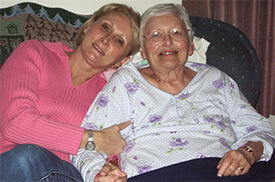 But kids see things differently, especially the younger generations, who say “I love you” so much you have to wonder whether it’s genuine.
Grandchildren aren’t encumbered by the inhibitions of their parents and grandparents, so Sandy’s daughters had no problem telling their grandmother, “We love you, Nana.” But try as she might, the words were met with silence because Nana was terrified for reasons even she couldn’t understand.
In her last years, she suffered from dementia but still was overjoyed to see her granddaughters, even though she couldn’t always remember their names. “We love you, Nana,” they would say to her when they arrived and when they left.
Then, in her last months, despite her failing condition, Josephine broke out of her anxiety about expressing love. Call it grace. During their last visits to see her, they would gush, “We love you so much, Nana.” And instead of silence, the woman would take a deep breath and utter, “Me, too.”
That was as close as she could come to saying, “I love you too” in this life. In the next life, they were all sure that she was telling everybody she loved them. No one ever doubted that she loved deeply, but she just couldn’t say it, and in the end, it really didn’t matter.
***
Sign Up for Healing Journey Messages
Receive a daily message to your email address.