

December 6, 2023
— Christine Feehan
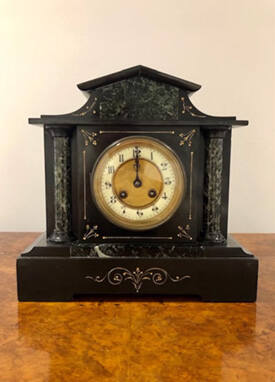 We’ve all heard of the phrase, “Time stands still,” and for mourners in Victorian, England there was some truth to it. If a family member died, all the clocks throughout the house were stopped precisely at the moment of death. This was a tradition that began in Germany, which has certain superstitions associated with it, but also a practical purpose — if a coroner came to the home to provide a death certificate, the exact time the person passed was available.
However, the commonly accepted belief in that age was the rest of the family would incur back luck if they didn’t stop time. Doing so for a short period, they believed, gave the soul an opportunity to move on to the next world rather than be held to the earthly plain to lament over the grief survivors endured. That view is still widely held today.
The custom continues in many countries, including New Zealand where stopping the clocks is a sign of respect for the deceased. This act acknowledges the “finality and significance of death.” A person’s life on Earth has ended, and this gesture signifies their end has occurred.
During the Victorian Age, they also covered their mirrors. One reason was so they would not have to look at the misery etched on their faces from grief and tears. Then, there was the superstition that mirrors could hinder souls from moving on to the next plane of existence. After the funeral, the mirrors were uncovered.
***
Sign Up for Healing Journey Messages
Receive a daily message to your email address.