


February 3, 2024
“How shall I … go on?”
— Queen Victoria
Many of the mourning customs we observe today had their origins in Victorian England.
 V. Costello, author of “Victorian Death Rituals: The History of Mourning,” said, “Middle and lower-class women would go to great lengths to appear fashionable in times of mourning. Dying clothing black and then bleaching them out again was quite common….Black was their shield from society at a time of grief. It gave them space and time to come to terms with their loss.”
When someone died, everyone in the household dressed in black. The established protocol was to reserve the deepest shade of black for family members at the funeral. A woman was expected to mourn the death of her spouse for 2-1/2 years, which included different periods described as “deep mourning,” “second mourning” and “half mourning.” However, there were notable exceptions, including Queen Victoria herself.
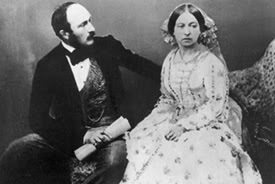
When Prince Albert died of typhoid fever at 42 years old on December 14, 1861, the Queen was devastated and went into chronic depression. She seldom went out in public. As a sign of her grief, she wore black for the 40 remaining years until her death. She became known as the “Widow of Windsor” and was a virtual recluse at Frogmore House.
At the time, she wrote to her daughter: “How shall I, who leaned on him for all and everything — without whom I did nothing, moved not a finger, arranged not a print or photograph, didn’t put on a gown or bonnet if he didn’t approve it — go on, to live, to move, to help myself in difficult moments?”
***
Sign Up for Healing Journey Messages
Receive a daily message to your email address.